

High-performance websites built for discovery and selling
With 25+ years of experience, Supadu builds fast, accessible, conversion-focused websites and eCommerce platforms for publishers. Our proven solutions boost book discoverability, simplify content management, and power direct-to-consumer sales across print, ebooks and audiobooks.


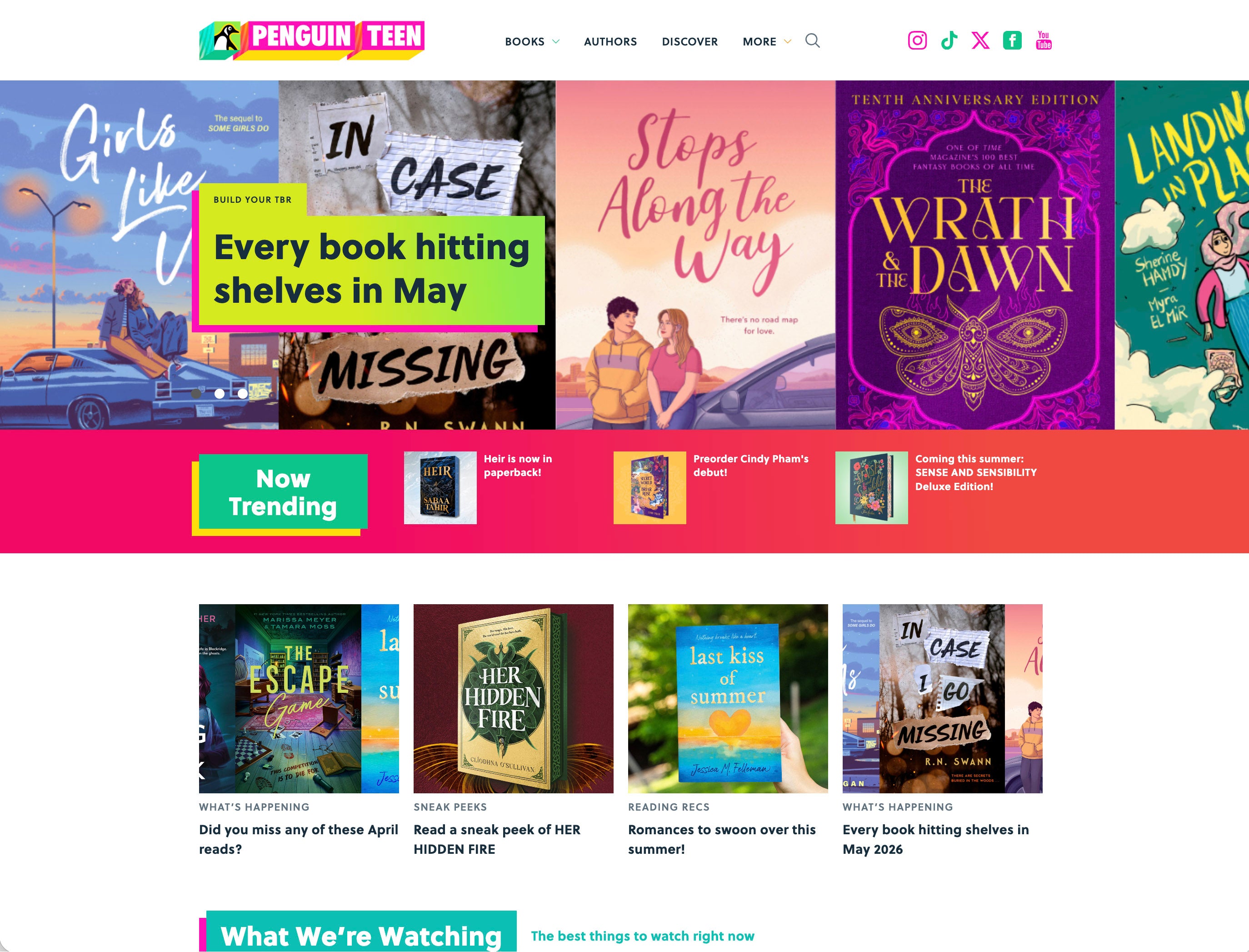
Dynamically fed Direct-to-Consumer Websites
Our websites are powered by our dynamic Supafolio API, which means every site is enriched with intelligent metadata automation that enhances discoverability, surfaces the right content to the right audience and drives deeper engagement.
With automatic daily updates, content remains current across all digital touchpoints.
Learn more about Supafolio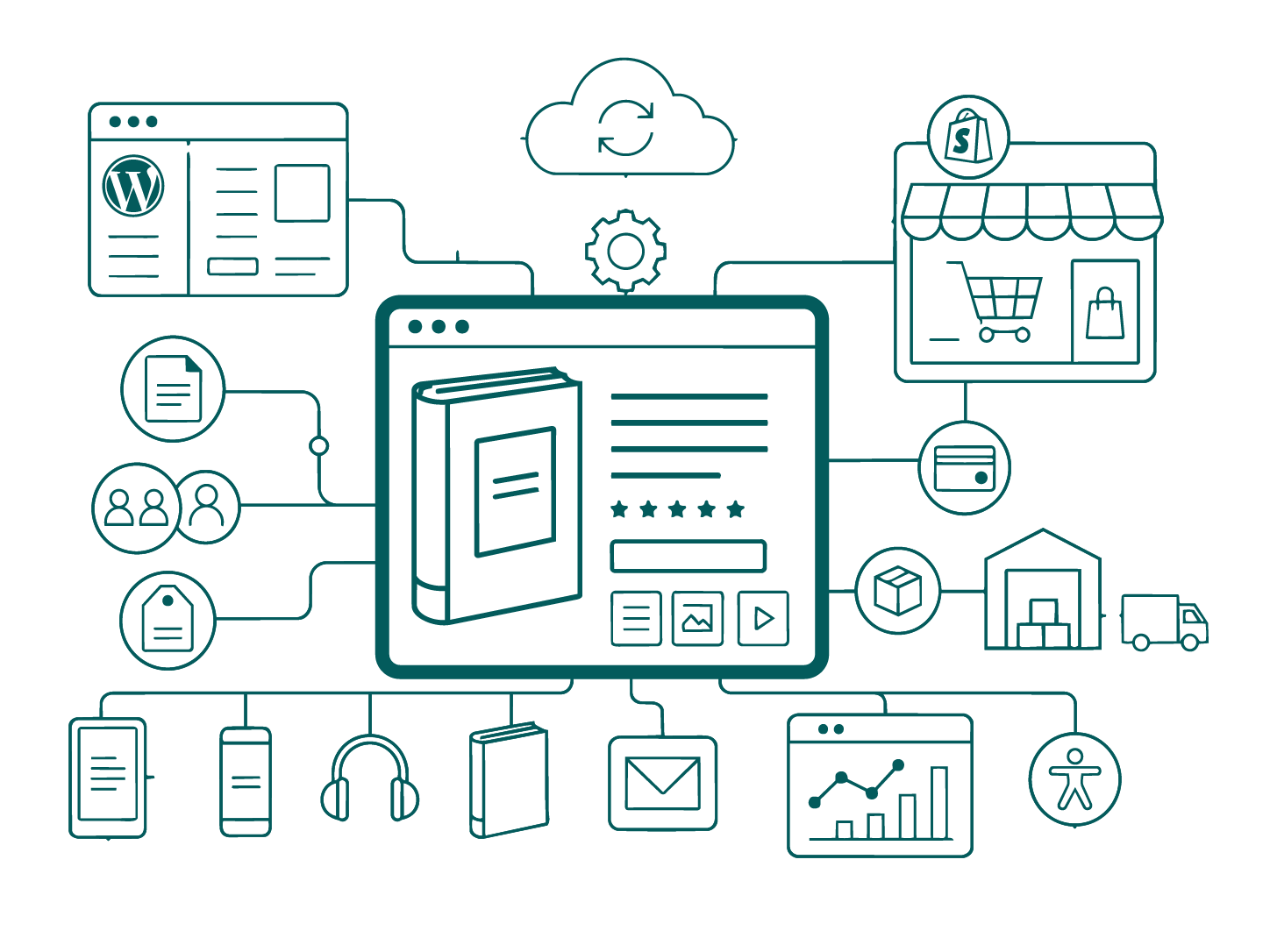
Powerful, fully automated themes for publishers
Our WordPress and Shopify websites combine standout design with powerful automation, giving publishers everything needed to launch fast and scale effortlessly.
Pre-built dynamic templates, including homepages, collections, book pages, authors and more, that bring your catalogue to life, while fast search and metadata-driven structure maximise discoverability, engagement and sales.

Universal carts trusted worldwide
Supacart is Supadu's cutting-edge universal cart, designed to seamlessly handle physical books, audio books and eBooks.
With its 3rd party payment gateway, digital delivery solution, and integrated EDI fulfilment, Supadu provides an unmatched tailored experience that is trusted by hundreds of renowned trade publishers and university presses.
Learn more about eCommerceAdvantages of our website solutions

Efficiency
Supadu's website templates streamline the development process, saving time and resources. Publishers can launch their sites without the complexities of custom builds.

Cost-Effective
Our templated solutions is more budget-friendly than bespoke websites, our websites an attractive option for publishers looking to maximize ROI.

Proven Performance
Our websites are tried and tested, offering publishers reliable, responsive, and user-friendly designs that have a track record of success.

Scalability
Our templated solutions can accommodate the growth of your publishing business. They are flexible and can be easily adjusted to meet changing needs.

Accessibility
Our websites come with built-in features for SEO, mobile responsiveness, and user accessibility, ensuring a wider reach and improved user experience.

Future-Proofing
We include regular updates to our themes, ensuring that your website remains compatible with evolving technologies and industry trends.

Metadata-driven pages
Every book page is powered by structured metadata via our Supafolio automatically generating rich, contextual pages that improve both SEO and AI discoverability.

Strong SEO & GEO performance
Supadu sites are built to rank and increasingly to be used by AI. Structured content, internal linking and contextual depth make books more likely to appear in search and AI-generated answers.

Integrated eCommerce
Supadu offers one unified cart for physical books, audiobooks and ebooks, with multi-currency, subscriptions and fulfilment from various partner integrations built in.

Seamless integrations
Connect easily with platforms like Firebrand (Eloquence), Books International, and De Marque for distribution, fulfilment, and global reach.

Direct-to-Consumer (D2C) capability
Sell directly from your own site with full control over pricing, bundling, and customer experience—no reliance on third-party retailers.

Built specifically for publishers
Supadu isn’t a generic CMS. It’s designed around books, metadata and publishing workflows, so you’re not forcing a retail system to behave like a catalogue.
Website Solutions FAQs
Find answers to common questions about Supadu websites, including platforms, features, accessibility, content management, and what's included.
Supadu supports both WordPress and Shopify. The right platform depends on your content model, ecommerce needs, editorial flexibility, and long-term goals.
A standard publisher site may include a homepage, title listing pages, book detail pages, author pages, subject and imprint pages, blog or news pages, contact pages, legal pages, and ecommerce pages such as cart, checkout, login, and account history where relevant.
Yes. Supadu websites are designed to work across desktop, tablet, and mobile devices.
Yes. Supadu builds sites to recognised accessibility standards, typically WCAG AA level requirements, while publishers remain responsible for the accessibility of the content they supply.
Yes. Publishers can manage static pages, blogs, homepage content areas, SEO settings, and selected promotional content themselves. More technical or feed-driven areas may require Supadu support.