For a long time, the path to purchase a book was relatively simple. A reader discovered a title, visited a retailer or publisher website, and made a purchase.
Today that simplicity has gone...
Discovery NOW is fragmented across platforms, algorithms and AI-driven systems. Readers rarely move in a straight line from awareness to purchase. Instead, they bounce between social platforms, search engines, recommendation systems and retail environments before making a decision.
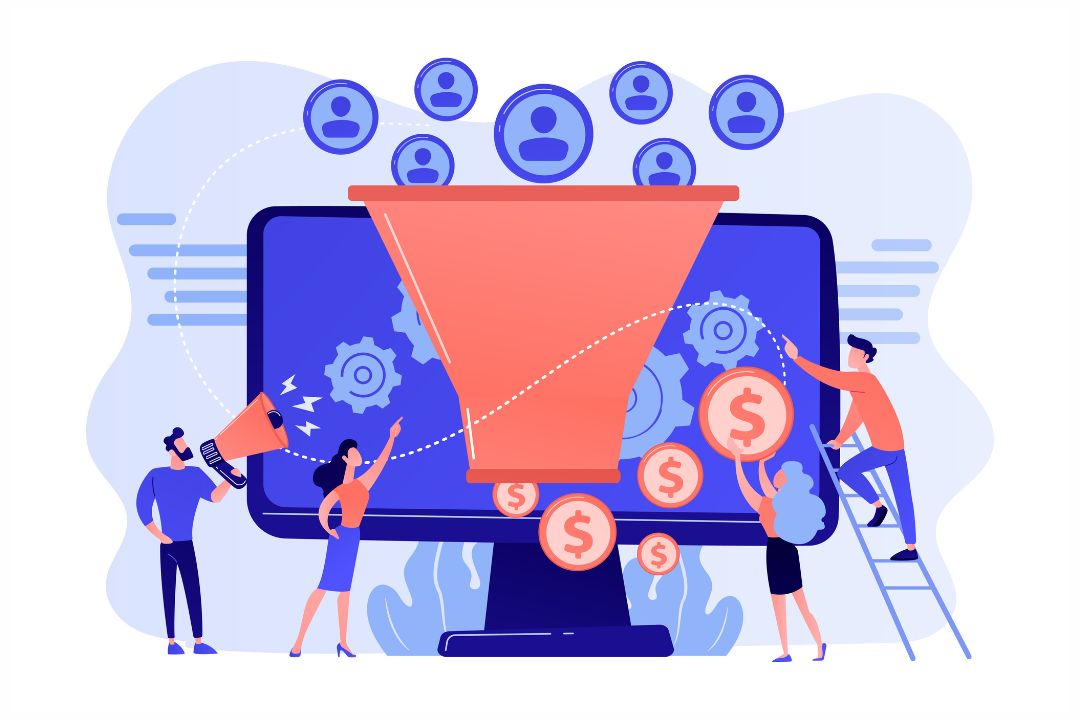
For publishers this means one thing: the funnel is no longer linear. It is layered, multi-channel and continuous.
The traditional model looked like this:
Discover → Website → Buy
It assumed discovery happened in one place and conversion happened in another. But that model no longer reflects how readers actually behave.
The modern book funnel looks more like this:
TikTok → AI → Google → Newsletter → Website → Checkout
This modern funnel reflects how discovery and decision making now work together across multiple platforms.
A reader might see a book on TikTok, ask AI for a similar recommendation, search on Google for reviews, subscribe to a newsletter for context, revisit a publisher website and finally complete a purchase.
Each stage influences the next. And each stage is not part of the funnel
TikTok: Where discovery begins
Social platforms like TikTok have become one of the most powerful discovery engines in publishing.
Here, books are introduced in seconds through short-form video, often driven by community recommendations rather than traditional marketing. The goal at this stage is not conversion - it’s attention.
For publishers, success on TikTok depends on creating content that is highly shareable and easy to connect back to a title. Clear metadata, consistent branding and strong visual identity all play a role in ensuring discovery translates into intent later in the journey.
AI: The new layer of recommendation
AI systems are increasingly acting as intermediaries in the discovery process.
Readers now ask AI tools for book recommendations, comparisons and summaries. These systems rely heavily on structured metadata and context to generate suggestions.
This means that how a book is described is just as important as how it is marketed.
Clear metadata, rich descriptions, accurate categorisation and well-structured content all increase the likelihood that a title will be surfaced by AI. Poor data quality, by contrast, reduces visibility in ways that are difficult to recover from.
Google: The intent stage
After initial discovery and AI interaction, many readers turn to search.
Google is where curiosity becomes intent. Raiders look for reviews, comparisons, author information, and more detailed context before committing.
At this stage, discoverability depends on SEO, structured data and consistency across the web. Publishers that invest in optimised product pages and clear metadata have a clear advantage.
Newsletter: Building trust and returning attention
Email remains one of the most powerful tools in publishing.
Unlike algorithm-driven platforms, newsletters offer direct access to engaged audiences. They allow publishers to re-engage readers who have shown interest earlier in the funnel and guide them back toward purchase.
Well-curated newsletters do more than prompt new releases. They build relationships, provide context and reinforce discovery that may have started elsewhere.
Website: The conversion hub
The publisher website sits at the centre of the modern funnel.
By the time a reader arrives here, they may have already encountered the book multiple times across different platforms. The website’s role is to consolidate that interest and convert it into action.
That means product pages must do more than provide basic information. They need to be fast, mobile friendly and rich in content.
Every friction at this stage risks losing a customer who has already moved through multiple layers of intent.
Checkout: the final step, NOT the end
Checkout is often treated as the final step in the journey, but in reality it is part of the broader experience.
A smooth and trusted checkout process is essential. Any barriers can undo the funnel that led the customer there.
But equally important is what happens after the purchase: confirmation emails, recommendations and opportunities to continue engagement. The funnel does not end at checkout; it loops back into discovery for the next purchase.
The key challenge for publishers today is not choosing a single channel - it is optimising across all of them.