
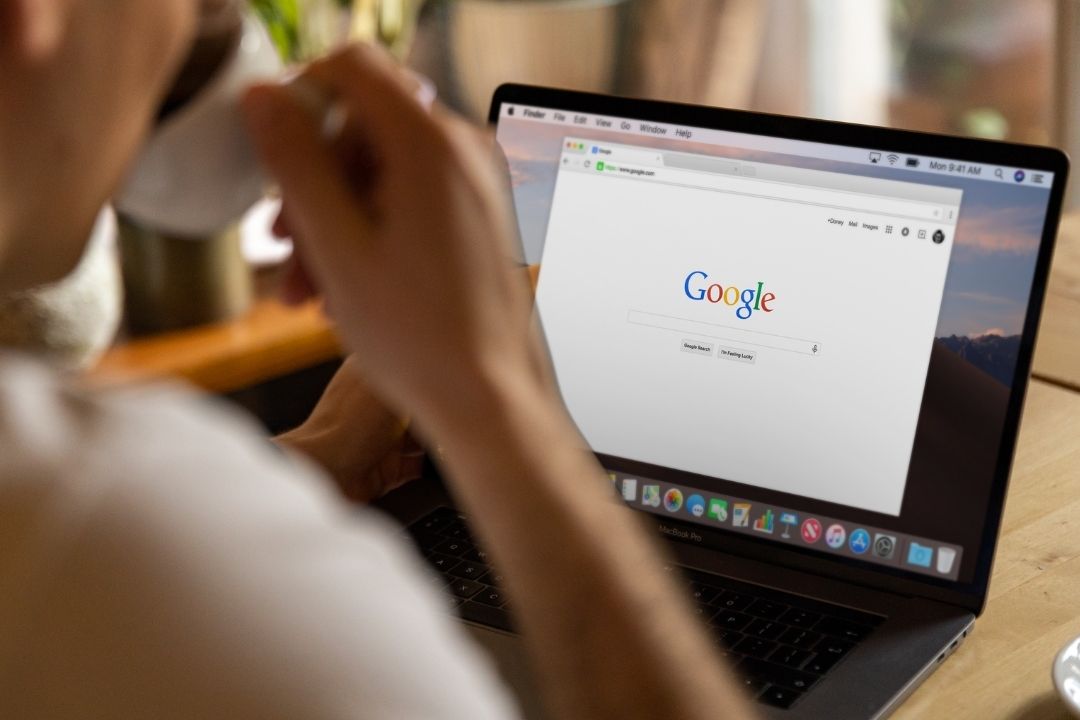
Google Is No Longer Sending You the Traffic. Now What?
For years, the digital publishing playbook was fairly simple: create good content, optimise it for Google, rank well and bring readers to your website. That model isn’t disappearing, but it is changing.
Search engines are increasingly answering questions directly. AI Overviews can summarise information at the top of a results page, while tools such as ChatGPT and Gemini can recommend books, authors and resources without a user ever clicking through to a traditional search result.
For publishers, the important question is no longer simply, “How do we get more traffic?” It is increasingly, “How do we make the traffic we do receive more valuable?”
Search is changing
A reader looking for their next book might once have searched for “best books about the Roman Empire” and worked their way through a page of Google results. Today, they can ask an AI tool for five accessible recommendations and receive an instant answer.
That doesn’t mean Google or SEO are becoming irrelevant. Search remains an enormously important discovery channel. But publishers can no longer assume that appearing in a search result will automatically lead to a website visit.
This makes what happens after someone arrives on your site even more important.
Make every visitor count
A reader shouldn’t arrive on a book page and immediately reach a dead end. They should be able to discover other books by the same author, browse the rest of a series, explore similar titles, see available formats and easily understand where they can buy.
The best publisher websites continually help readers answer one simple question: what might I want to look at next?
This is where recommendations, related titles, collections, strong internal search and clear navigation become commercially valuable. If attracting each visitor becomes harder, helping that visitor discover three books rather than one can make a significant difference.
Your backlist is a discovery opportunity
Changing search behaviour also creates an opportunity for the backlist. A book published five or ten years ago can suddenly become relevant because of a film adaptation, news story, anniversary, social trend or cultural moment.
Publishers already hold huge amounts of valuable content. The challenge is making it discoverable.
Good metadata, intelligent recommendations and well-organised collections can help readers move beyond the title that originally brought them to the website and explore books they may never have known existed.
Help search engines and AI understand your books
Ironically, as search engines send fewer clicks, giving them better information becomes even more important.
Google, ChatGPT, Gemini and other discovery tools need clear, structured information to understand what a book is about and when it might be relevant. Strong metadata around subjects, themes, contributors, formats, series, age ranges, awards and related titles therefore matters more than ever.
Publishers should also think about how readers actually describe what they want. People rarely search using publishing terminology. They ask for “funny books for an eight-year-old”, “historical fiction set in Tudor England” or “cookbooks for someone learning to cook”.
The richer the information around a title, the easier it becomes for both machines and readers to find the right book.
Build relationships you control
There is a broader lesson here too. Publishers have always relied on platforms they don’t control for discovery, from Google and Amazon to Instagram and TikTok. AI platforms are simply the latest addition.
These channels remain incredibly valuable, but algorithms and interfaces can change quickly. A direct relationship with a reader is different.
When somebody subscribes to a newsletter, buys directly or regularly returns to a publisher website, that relationship is no longer entirely dependent on another platform deciding whether to show them your content.
The goal isn’t to replace Google or AI discovery. It is to make sure those channels can eventually lead towards a relationship the publisher can continue.
Look beyond traffic
Website traffic will remain an important metric, but it shouldn’t be viewed in isolation. Publishers should also be looking at what visitors actually do once they arrive: what they search for, which recommendations they click, whether they join a mailing list and, ultimately, whether they buy.
A fall in traffic doesn’t automatically mean a website is performing worse. If fewer visitors are arriving but more of them are discovering books, engaging with content and purchasing, the website may actually be delivering greater value.
Google isn’t going away, and neither is SEO. But relying on ever-growing volumes of search traffic is becoming less certain.
The opportunity for publishers is to build websites that work harder for every reader who arrives — helping them discover more books, creating stronger direct relationships and turning a single visit into something much more valuable.